Source estrogen balance support dim capsules for women, men, and adults
Find 30 listings for estrogen balance support dim capsules from verified manufacturers. Compare specifications, MOQs, and customization options for adult and middle-aged users seeking hormonal balance.
Key considerations
Products List


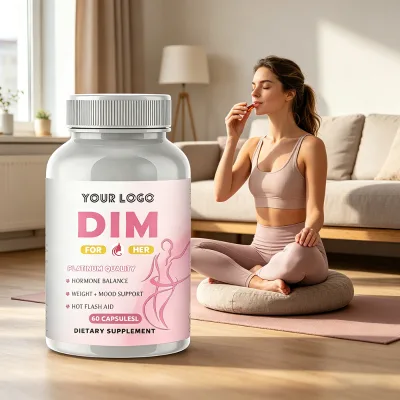
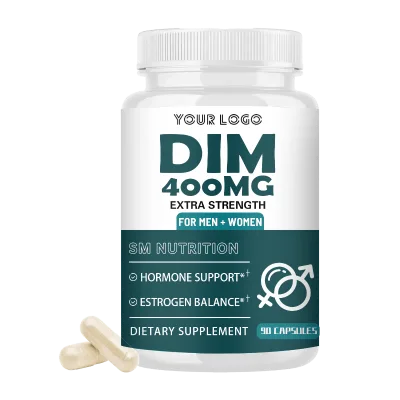
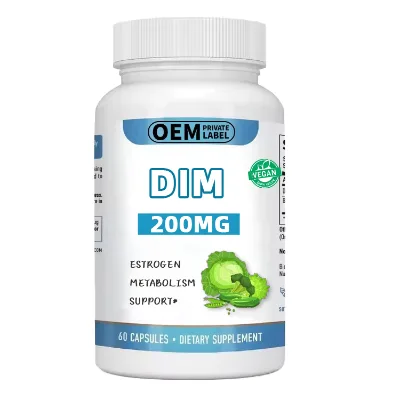


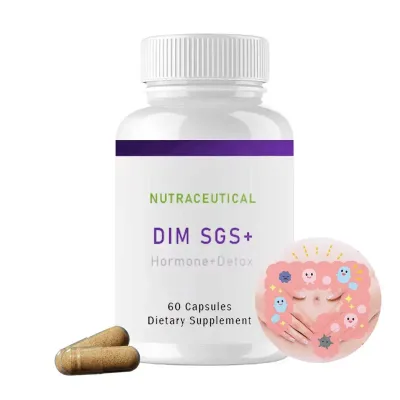




Comprehensive Sourcing Guide
Strategic Sourcing Guide for Estrogen Balance Support DIM Capsules
Understanding Product Specifications and Formulation Variability
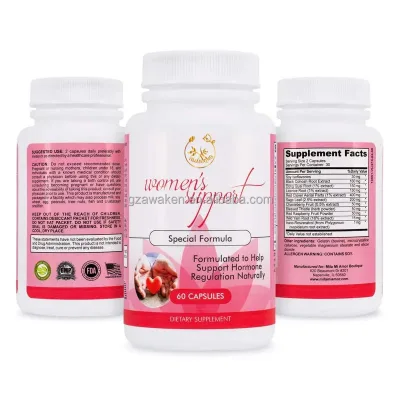
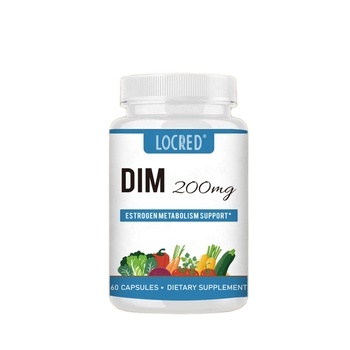
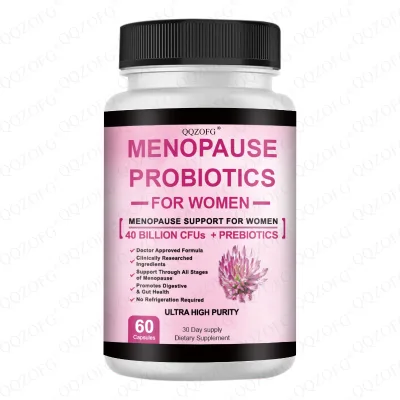
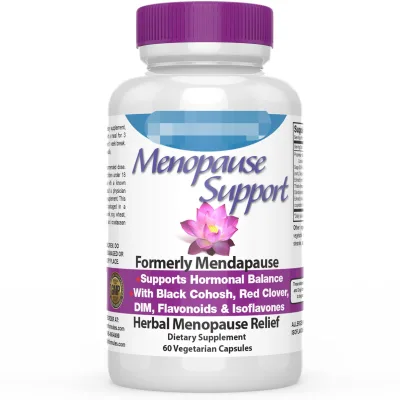
When sourcing estrogen balance support DIM (Diindolylmethane) capsules, buyers must first navigate a landscape of varying technical specifications. The market presents a diverse array of product attributes that directly influence efficacy and regulatory compliance. Based on observed product data, the core dosage form is consistently identified as capsules or pills, with specific product specifications ranging from 500mg per unit to 60 pieces per bottle. It is critical for procurement teams to recognize that "DIM capsules" is a broad category encompassing different formulations, such as those marketed for general hormonal balance support versus those specifically targeting menopause relief.
The active ingredient profile varies significantly across listings. While some products highlight "Dong quai extract" or "Dongquai" as a primary component, others focus on vegetable-based ingredients or specific herbal supplements. This distinction is vital because the presence of Dong quai introduces different safety profiles compared to pure DIM formulations. Furthermore, the dosage instructions observed in the market are not uniform; some products recommend taking two pills per day, while others suggest one tablet twice daily. Buyers must verify the exact concentration of active ingredients against the stated dosage to ensure the product meets the intended therapeutic goals without exceeding safe consumption limits.
The physical specifications of the product also play a role in logistics and storage. Single package sizes have been observed at dimensions of 30x28x26 cm, with a single gross weight of 2.0 kg. These metrics are essential for calculating freight costs and warehouse space requirements. Additionally, the shelf life presents a notable discrepancy in the available data, with some listings indicating 24 months and others stating 36 months when properly stored. This variance suggests that shelf life is highly dependent on the specific manufacturing process and packaging integrity. Procurement professionals should treat these figures as observations rather than universal guarantees and must request specific stability data from potential suppliers to confirm the expiration timeline for the specific batch being ordered.
Compliance, Certification, and Regulatory Verification
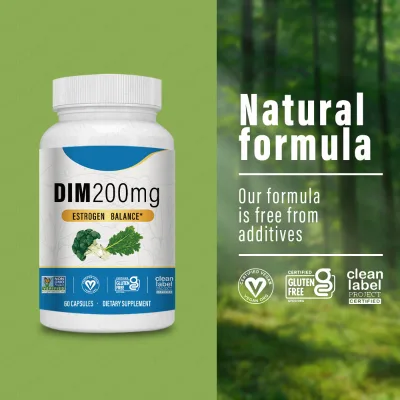
In the dietary supplement industry, particularly for products affecting hormonal balance, compliance is the cornerstone of a successful procurement strategy. The market data indicates that suppliers often claim adherence to a suite of certifications, including GMP (Good Manufacturing Practice), HACCP, QS, and ISO. While these acronyms represent significant standards, buyers must not assume that a supplier listing these certifications automatically possesses valid, current status for the specific product line. The presence of "Top Grade" material classifications in some listings further emphasizes the need for rigorous verification of quality tiers.
Regulatory compliance extends beyond manufacturing standards to include labeling and safety warnings. A critical observation in the product data is the consistent identification of "Not Applicable People." This group frequently includes pregnant women, newborns, children, and teenagers. Some listings also exclude middle-aged and elderly people, while others include them, creating a confusing landscape regarding target demographics. For a product claiming to support estrogen balance, the exclusion of pregnant women is a standard safety precaution, but the inclusion or exclusion of teenagers and children requires careful legal review in the destination market. Buyers must ensure that the supplier's labeling aligns with the regulatory requirements of the importing country, particularly regarding age restrictions and pregnancy warnings.
Furthermore, the "Place of Origin" is predominantly listed as Guangdong, China, or simply China. While this provides a geographic context, it does not guarantee specific regulatory oversight levels. Buyers should verify if the manufacturing facility holds local Chinese certifications that are recognized internationally. The "Certificate" attribute often lists multiple standards, but the actual validity of these certificates for the specific product SKU must be confirmed through direct communication with the supplier. Relying solely on the presence of these keywords in a product description is insufficient; a valid, up-to-date copy of the certificate for the specific batch or production line should be requested prior to finalizing any order.
Cost Drivers and Minimum Order Quantity Dynamics
The economics of sourcing DIM capsules are heavily influenced by Minimum Order Quantity (MOQ) requirements and the customization options available. The observed MOQ range is vast, spanning from 10 units to 300,000 units, with specific listings citing 100 bottles or 200 bottles as the entry point. This wide disparity indicates that the market is segmented between small-batch private labelers and large-scale bulk manufacturers. For buyers entering the market, the MOQ is often the primary cost driver, as it dictates the initial capital outlay and inventory risk.
Customization is a significant factor in pricing. Many suppliers offer "Custom Colors," "Customized" flavors, and "OEM ODM Private Label Service." These value-added services typically increase the unit cost but are essential for brands looking to differentiate themselves. The "Sample" availability is noted as "Availiable," which is a crucial cost-control mechanism. Buyers should utilize samples to validate quality before committing to large MOQs. However, the cost of samples and the lead time associated with them must be factored into the total cost of ownership.
The price range observed in the market is extremely broad, from $0.01 to $5.00 USD. This range likely reflects differences in ingredient purity, packaging quality, order volume, and the inclusion of additional herbal extracts like Dong quai. A price at the lower end of this spectrum may indicate a basic formulation with minimal customization, while the higher end could reflect premium ingredients, rigorous testing, or complex private labeling. Buyers must be wary of prices that seem too low, as they may correlate with lower quality control or outdated stock. Conversely, the high end of the range should be scrutinized to ensure the premium is justified by tangible quality attributes rather than marketing fluff.
Typical Applications and Target Demographic Analysis
The application of estrogen balance support DIM capsules is multifaceted, targeting specific physiological needs and life stages. The primary function observed in the market is "hormonal balance support," with specific mentions of "Menopause Relief" and "Promotion Development." This suggests that the product is marketed towards adult women experiencing hormonal shifts, particularly those in the menopausal transition. However, the data also lists "Improve Immunity," "Beauty Products," and "Antioxidant" as effectiveness claims, indicating a broader appeal to general wellness consumers.
The target demographic analysis reveals a complex picture. While "Women" and "Adult" are the primary applicable groups, some listings explicitly include "Men," "Middle-Aged and Elderly people," and even "Teenagers." This inconsistency highlights the need for buyers to clearly define their target market before sourcing. A product claiming to support menopause relief is likely unsuitable for a brand targeting teenage acne or general male wellness. The "Not Applicable People" section, which consistently lists "Pregnant Women," "Newborn," and "Children," serves as a critical boundary for marketing and distribution.
Furthermore, the "Main Ingredient" of "Vegetable" or "Dongquai" suggests applications in herbal medicine and traditional wellness practices. Products containing Dong quai extract are often sought after for their specific benefits in women's health, but they also carry a higher risk of interactions with other medications. Buyers must ensure that the intended application aligns with the ingredient profile. For instance, a product marketed for "Improve Memory & Sleep" and "Promote Digestion" alongside hormonal support suggests a multi-functional approach, which may appeal to a broader audience but requires clear communication of benefits to avoid regulatory issues regarding disease claims.
Supplier Evaluation and Service Capabilities
Evaluating suppliers for DIM capsules requires a focus on service capabilities and production flexibility. The market data highlights "OEM ODM Private Label Service" as a standard offering, indicating that most suppliers are equipped to handle custom branding and formulation requests. The availability of samples is another key indicator of supplier reliability; a supplier willing to provide samples is generally more transparent and confident in their product quality.
The "Service" attribute also encompasses the ability to handle various order sizes. With MOQs ranging from 10 to 300,000, suppliers must have the production capacity to scale. Buyers should assess whether a supplier can accommodate both small test runs and large-scale production without compromising quality. The "Model Number" (e.g., C-60-DIM001) and "Product Specification" (e.g., 60pcs/bottles) suggest a standardized product line, but the ability to customize specifications is crucial for differentiation.
Location is another factor in supplier evaluation. With "Guangdong, China" and "China" as the primary places of origin, buyers should consider the logistical advantages of this region, such as established supply chains and manufacturing expertise. However, the proximity to ports and the efficiency of local logistics networks should be verified to ensure timely delivery. The "Storage Method" requirements, such as "Store in a cool place" or "Avoid sun exposure and high temperatures," also reflect the supplier's understanding of product stability. A supplier that provides clear storage instructions is more likely to have robust quality control measures in place.
Quality Control and Long-Term Procurement Considerations
Quality control is paramount when sourcing supplements that affect hormonal balance. The observed "Storage Method" varies from "Cool Dry Place" to "Avoid sun exposure and high temperatures," indicating that product stability is a concern. Buyers must verify that the supplier has implemented strict quality control measures to ensure the product remains stable throughout its shelf life, whether it is 24 or 36 months. The "Certificate" attributes, including GMP and ISO, are indicators of a quality management system, but they must be validated for the specific product.
Long-term procurement considerations involve building a sustainable supply chain. Buyers should look for suppliers who offer consistent quality over time, rather than just a one-off product. The "Main function" and "Effectiveness" claims should be backed by reliable data, even if specific test results are not publicly listed. Buyers should request batch-specific test reports to verify the concentration of active ingredients and the absence of contaminants.
Additionally, the "Product Type" as "Herbal Supplements" and "Capsule" suggests that the supply chain must handle raw materials with care. The "Single gross weight" and "Single package size" data points are essential for planning long-term logistics and warehousing. Buyers should also consider the "Flavor" and "Color" customization options, as these can impact consumer satisfaction and repeat purchases. A supplier that offers consistent quality in customized products is a valuable long-term partner.
In conclusion, sourcing estrogen balance support DIM capsules requires a meticulous approach to specification verification, compliance checks, and supplier evaluation. By understanding the variability in product attributes, cost drivers, and target demographics, buyers can make informed decisions that align with their brand strategy and regulatory obligations. The key to success lies in thorough due diligence, clear communication with suppliers, and a commitment to maintaining high quality standards throughout the procurement process.
FAQs
What are the applicable people for these capsules?
These capsules are suitable for women, adults, and middle-aged or elderly people. They are explicitly not applicable for teenagers, children, newborns, and pregnant women due to safety regulations.
How should the product be stored to maintain quality?
Store the capsules in a cool, dry place away from direct sunshine and high temperatures. Proper storage ensures the product remains stable for its full shelf life of up to 36 months.
What is the recommended daily dosage for adults?
The typical dosage is two pills per day or one tablet taken twice daily. Buyers must verify the specific instruction on the label as formulations vary between different product listings.
Which certifications do the manufacturers typically hold?
Manufacturers often claim adherence to GMP, HACCP, QS, and ISO standards. Buyers should request valid certificates for the specific batch to ensure compliance with international safety requirements.
Can suppliers provide private label and customization services?
Yes, most suppliers offer OEM, ODM, and private label services with customizable colors and flavors. This allows buyers to create unique branding while meeting specific market demands.
What is the minimum order quantity for bulk purchases?
Minimum order quantities vary significantly, ranging from 100 to 200 bottles depending on the supplier. Some vendors may accept orders as low as 10 units for testing purposes.
Where are the manufacturing facilities located?
The primary place of origin for these products is Guangdong, China. Buyers should verify the specific facility location to assess logistics and regulatory oversight capabilities.